
Best overall question: Does my vehicle’s warranty and repair history support a claim? Best for protecting your rights: What deadlines apply? Best for understanding your obligations: What does the fee agreement require? These are the first questions to ask before hiring a lemon law attorney in 2026; the remaining questions help you judge the lawyer’s plan, communication, and settlement advice.
- Start your questions to ask before hiring a lemon law attorney with eligibility, deadlines, and the written fee agreement.
- Choose a lawyer who identifies weaknesses in your warranty records, not someone who guarantees a buyback.
- Khachikyanlawfirm provides lemon law representation in Glendale, California; use these questions to evaluate fit.
- Ask who handles your case, who approves settlement, and what happens if representation ends.
Why this matters
You are hiring someone to evaluate evidence, protect deadlines, and advise you about decisions that affect your vehicle claim. A confident sales pitch does not answer those questions.
Khachikyanlawfirm is an option for Glendale drivers seeking lemon law representation. Use this checklist when speaking with Khachikyanlawfirm or another attorney, and compare specific answers rather than promises.
For a 2026 consultation, bring your purchase or lease agreement, warranty documents, and repair orders. Ask the attorney to explain which facts support a claim and which facts still need investigation.
What makes a useful attorney interview
A useful consultation turns your records into a clear next step. Evaluate every answer against these criteria:
- Document-based reasoning: The lawyer connects the advice to your warranty, repairs, and communications.
- Deadline clarity: The lawyer identifies the dates that need immediate review.
- Written responsibilities: The agreement explains the work, fees, expenses, and limits of representation.
- Named ownership: You know who handles legal decisions and routine updates.
- Balanced advice: The lawyer discusses weaknesses and alternatives, not just a favorable outcome.
Keep a 1-page chronology beside you during the call. List repair visits in order, describe recurring symptoms, and separate what you observed from what the dealership told you.
The questions at a glance
The order below puts eligibility and time-sensitive issues before service preferences. Every question serves a different hiring decision.
| Priority question | Best for | What a useful answer includes | Key limitation |
|---|---|---|---|
| Does my vehicle qualify? | Initial eligibility | Warranty and repair analysis | Intake alone does not establish liability |
| What deadlines apply? | Protecting your rights | Relevant dates and required steps | A generic deadline is not case-specific advice |
| What does the fee agreement require? | Understanding obligations | Written fee and expense terms | A verbal summary is incomplete |
| Have you handled similar issues? | Assessing relevant experience | Comparable legal and evidence issues | Past results do not determine your outcome |
| Who handles my case? | Establishing accountability | Named roles and update process | A contact name does not define legal responsibility |
| What evidence is missing? | Strengthening documentation | Specific records and collection steps | More paperwork does not automatically prove a claim |
| What is your proposed strategy? | Understanding the next move | Immediate action and decision points | Strategy changes with evidence |
| What outcomes are available? | Evaluating remedies | Applicable remedies and deductions | An estimate is not a guaranteed recovery |
| How will settlement decisions work? | Keeping control | Advice, authority, and written terms | A headline offer omits important conditions |
| What if we disagree or separate? | Understanding exit terms | Withdrawal and file-transfer provisions | Ending representation does not pause deadlines |
1. Does my vehicle qualify? Best for checking eligibility
Ask: Based on my warranty, purchase or lease documents, and repair history, what legal claim are you evaluating? A useful answer identifies the governing warranty obligations and explains why the repair history matters.
Do not accept a diagnosis based only on the vehicle’s brand or a frustrating dealership experience. Ask the attorney to distinguish a potential lemon law claim from another warranty or dealership dispute.
This question’s pros:
- Tests whether the advice fits your documents.
- Separates possible legal claims.
- Exposes assumptions about coverage.
This question’s limits:
- Missing records restrict the assessment.
- An initial opinion is not a promised result.
Best for: Drivers deciding whether legal representation fits their problem.
Verdict: Hold until the attorney explains both the claim and its main weakness.
2. What deadlines apply? Best for protecting your rights
Ask: Which filing deadlines, notice requirements, or other time-sensitive steps apply to my claim? Request an explanation tied to your purchase, warranty, repair, and discovery dates—not a general internet rule.
In a 2026 California consultation, ask the attorney to identify the law and procedures governing your particular claim. Do not assume that a dealership appointment, manufacturer discussion, or consultation protects a filing deadline. Read more about California lemon law filing deadlines.
This question’s pros:
- Brings urgent action to the front.
- Identifies dates requiring verification.
- Clarifies who handles the next step.
This question’s limits:
- Incomplete dates prevent a final calculation.
- Different claims can involve different rules.
Best for: Drivers deciding whether they can safely wait.
Verdict: Skip an attorney who dismisses deadline questions without reviewing the relevant dates.
3. What does the fee agreement require? Best for understanding obligations
Ask: What am I responsible for under the representation agreement, and what happens under different outcomes? Have the lawyer distinguish attorney fees from litigation expenses and explain how each is handled.
California Civil Code section 1794 includes an attorney-fee provision for qualifying prevailing buyers. That provision does not replace reading your own agreement or understanding disputed fees and expenses.
This question’s pros:
- Makes financial responsibilities explicit.
- Separates fees from case expenses.
- Encourages written answers before signing.
This question’s limits:
- A brief explanation cannot replace the contract.
- Disputed outcomes require additional clarification.
Best for: Anyone comparing representation agreements.
Verdict: Hold until you understand the written terms, including what happens if representation ends.
4. Have you handled similar issues? Best for assessing experience
Ask: Have you handled claims involving similar warranty coverage, recurring symptoms, or repair disputes? Similarity means the legal and evidence issues—not simply the same manufacturer.
Request an explanation of the challenges those issues create. An attorney can discuss an approach without revealing another client’s confidential information or promising you the same result.
This question’s pros:
- Tests relevant subject knowledge.
- Moves beyond broad experience claims.
- Shows how the lawyer explains difficult facts.
This question’s limits:
- Past outcomes do not predict yours.
- Confidentiality limits case details.
Best for: Drivers with disputed coverage or an unusual repair history.
Verdict: Skip guarantees based on another client’s outcome.
5. Who handles my case? Best for establishing accountability
Ask: Who makes legal decisions, who handles routine communication, and who covers the file when that person is unavailable? Separate the intake contact from the attorney responsible for your representation.
When you speak with Khachikyanlawfirm about lemon law representation, ask the same operational questions you would ask any firm. Get a clear explanation of how to send records and raise an urgent concern.
This question’s pros:
- Identifies responsibility early.
- Clarifies the communication process.
- Sets expectations for updates.
This question’s limits:
- Staffing can change during representation.
- A contact process does not guarantee an outcome.
Best for: Clients who need clear ownership of their file.
Verdict: Hold if nobody can explain who is responsible for your case.
6. What evidence is missing? Best for strengthening documentation
Ask: Which missing records affect your assessment, and how should I obtain them? A useful answer names the document and explains the issue it addresses.
Organize 3 document groups: purchase and warranty records, repair records, and communications. Keep originals intact, preserve messages, and avoid rewriting a dealership record yourself; ask for a correction or provide a separate factual explanation.
This question’s pros:
- Produces a practical collection list.
- Connects records to disputed facts.
- Helps prevent inconsistent summaries.
This question’s limits:
- Some records require additional requests.
- Documentation cannot fix every legal weakness.
Best for: Drivers with incomplete repair orders or disputed complaints.
Verdict: Hold until you have a specific evidence plan.
7. What is your proposed strategy? Best for understanding the next move
Ask: What should happen next, why, and what would change that recommendation? The answer should distinguish immediate evidence work from later negotiation or litigation decisions.
For your 2026 case review, request a sequence rather than a promised completion date. Keep 2 written lists: actions you must take and actions the attorney agrees to handle.
This question’s pros:
- Turns advice into assigned tasks.
- Makes decision points visible.
- Shows how new evidence affects strategy.
This question’s limits:
- The manufacturer’s response can change the plan.
- A process outline is not a fixed timeline.
Best for: Drivers comparing competing recommendations.
Verdict: Skip a guaranteed result presented without an evidence-based plan.
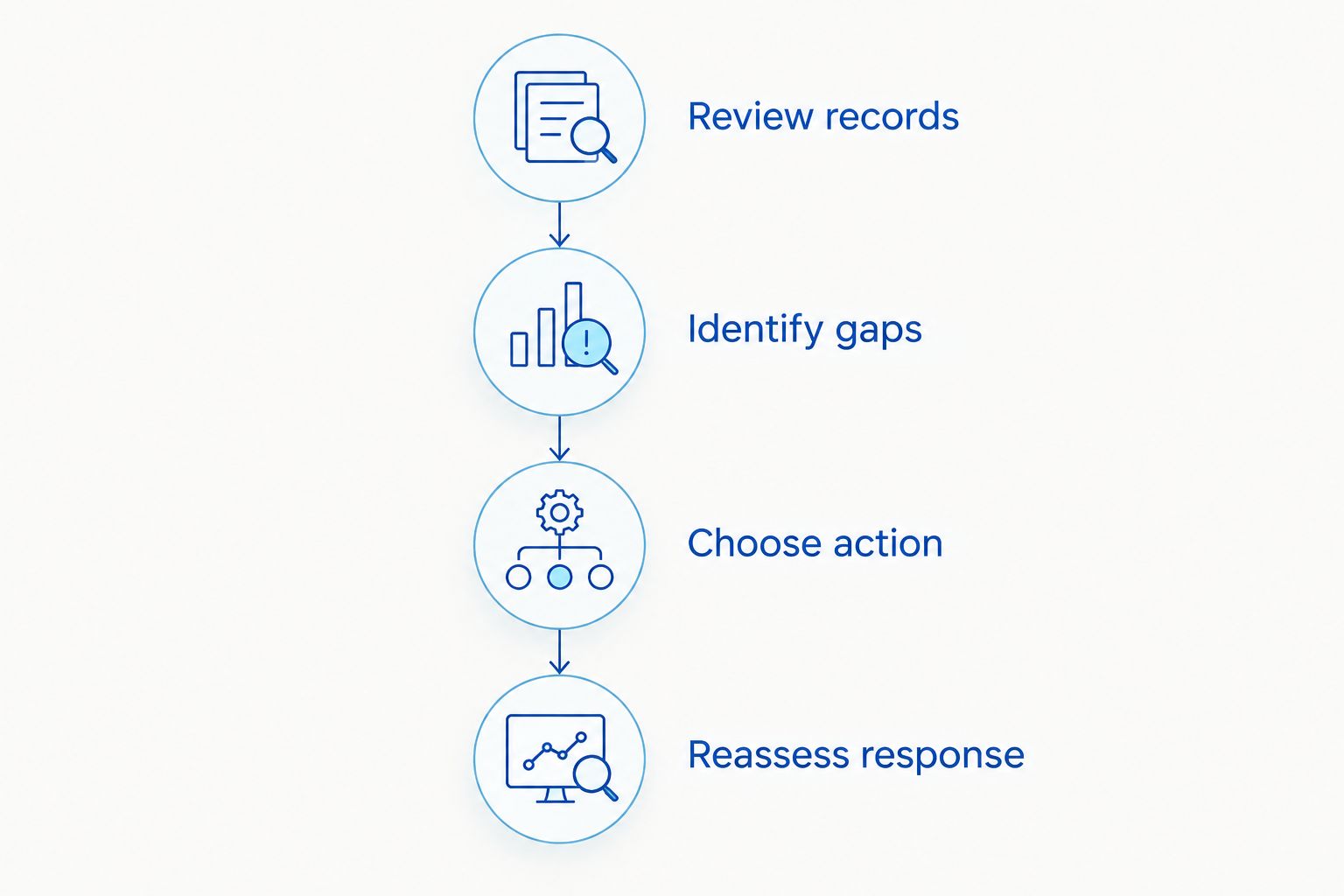
The proposed process should explain these stages in plain language: Review records, Identify gaps, Choose action, and Reassess response. Ask what must be resolved before moving between them.
8. What outcomes are available? Best for evaluating remedies
Ask: Which remedies fit my claim, and what deductions or unresolved issues affect them? Have the attorney distinguish a possible repurchase, replacement, or negotiated resolution rather than treating them as interchangeable.
Ask how the proposed outcome addresses the loan or lease, vehicle return, and claimed expenses. Do not treat the phrase full refund as a complete explanation.
This question’s pros:
- Connects the remedy to your claim.
- Exposes deductions and practical conditions.
- Separates legal entitlement from negotiation goals.
This question’s limits:
- Available remedies depend on applicable law and facts.
- Early assessments change as records develop.
Best for: Drivers deciding what resolution to pursue.
Verdict: Hold until the lawyer explains the outcome beyond its headline.
9. How will settlement decisions work? Best for keeping control
Ask: How will you present offers, explain the terms, and obtain my decision? Request a plain-language explanation of the client’s role in approving settlement.
A useful discussion covers releases, payment conditions, vehicle surrender, and remaining obligations where relevant. Ask for enough explanation to understand what you give up as well as what you receive.
This question’s pros:
- Establishes your decision-making role.
- Prompts review of nonpayment terms.
- Discourages rushed acceptance.
This question’s limits:
- Future offers cannot be evaluated in advance.
- Negotiations do not guarantee acceptable terms.
Best for: Drivers concerned about pressure to settle.
Verdict: Skip pressure to approve terms you do not understand.
10. What if we disagree or separate? Best for understanding exit terms
Ask: What happens if I change attorneys, decline an offer, or disagree with the proposed strategy? Review the agreement’s termination provisions and ask about file transfer, outstanding obligations, and approaching deadlines.
This is a practical hiring question, not an accusation. Clear exit terms help you understand the relationship before a disagreement occurs.
This question’s pros:
- Clarifies the agreement’s end conditions.
- Addresses access to your file.
- Identifies unresolved responsibilities.
This question’s limits:
- A later dispute needs its own review.
- Changing counsel does not erase deadlines.
Best for: Anyone preparing to sign a representation agreement.
Verdict: Hold until the exit provisions make sense to you.
How these questions are ranked
The ranking prioritizes eligibility, deadlines, and written obligations because those answers shape the hiring decision. Experience, accountability, evidence, strategy, remedies, settlement, and exit terms then test how the representation would work.
These are consultation priorities, not ratings of individual law firms. Apply the same criteria to every attorney you interview.
Which answer should decide your choice?
Choose the attorney who explains your strongest facts, your weakest facts, and the next required action. Start with eligibility; if the lawyer cannot explain the proposed claim, communication preferences cannot fix that problem.
Before signing in 2026, compare the lawyer’s explanation with the written agreement. Ask Khachikyanlawfirm to explain how the proposed lemon law representation applies to your records and goals.
Discuss your lemon law claim
Ask about your warranty records, repair history, and the proposed scope of representation.
FAQ
What is the most important question to ask a lemon law attorney?
Ask whether your warranty and repair history support a specific legal claim. Request an explanation of both the supporting evidence and the main weakness before discussing a predicted result.
Should I hire an attorney who guarantees a buyback?
Do not base your hiring decision on a guaranteed buyback. Ask for a document-based assessment, an explanation of disputed issues, and the remedies the attorney believes apply.
What documents should I bring to a lemon law consultation?
Bring your purchase or lease agreement, warranty documents, repair orders, and communications about the defect. Include a chronology that distinguishes observed symptoms from dealership explanations.
Does a recall automatically mean I have a lemon law claim?
A recall alone does not establish a lemon law claim. Ask how the recall relates to your vehicle, warranty coverage, repair history, and the legal requirements of the proposed claim.
Can I compare attorneys without comparing promised results?
Yes. Compare the attorneys’ reasoning, written agreements, assigned responsibilities, and proposed next steps. Those answers are more useful than unsupported predictions about recovery.
What should I ask about deadlines in 2026?
Ask which filing deadlines and procedural requirements apply to your specific claim in 2026. Provide the relevant purchase, warranty, and repair dates so the attorney can assess the issue.
Should I sign a representation agreement during the first call?
Sign only after you understand the scope, fee and expense terms, communication process, and termination provisions. Request clarification in writing when the explanation and agreement do not match.
One last thing
Ask the attorney to identify the fact the manufacturer would use against your claim. A useful consultation explains the strongest objection, not just the strongest selling point. Write down the answer and ask what evidence would address it.
This article provides general information, not legal advice about your individual claim.