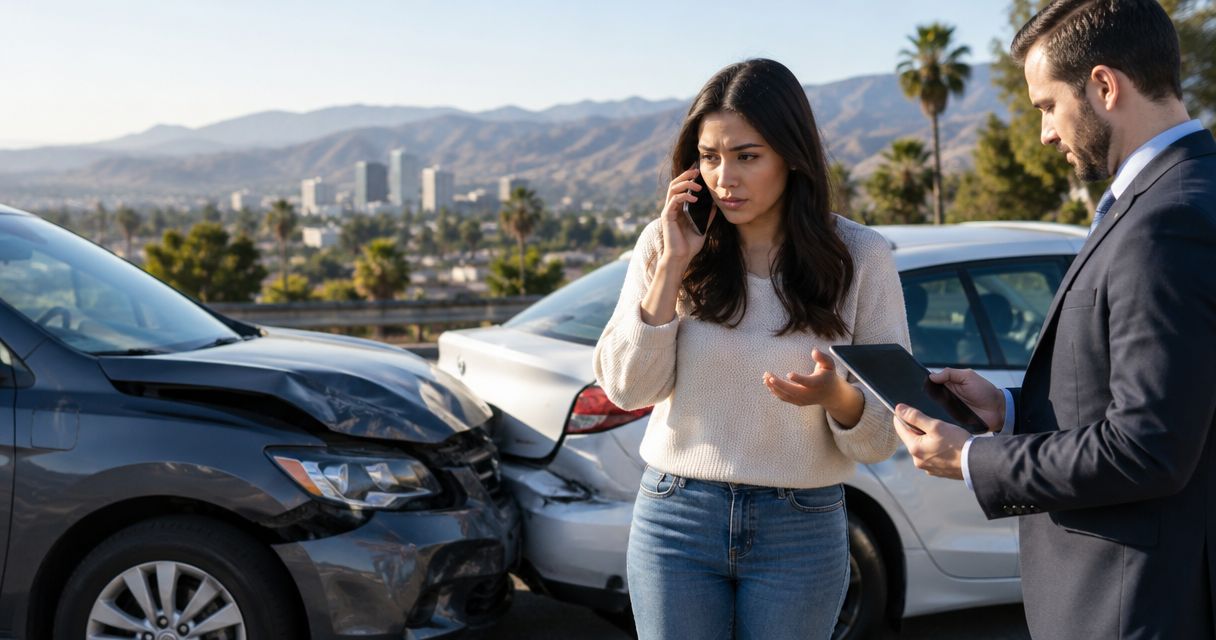
Call a lawyer as soon as you are safe and have addressed urgent medical needs after a Glendale car accident. Do not wait for a police report, completed treatment, or an insurance denial before asking about your rights. For a crash in 2026, the practical reason to call early is evidence preservation—not a rule requiring you to hire an attorney immediately.
- Seeking an auto accident lawyer Glendale consultation early helps you address evidence, insurance communications, and filing deadlines.
- California generally allows 2 years for an injury lawsuit; government claims can require action within 6 months.
- Khachikyan Law Firm offers personal injury representation in Glendale for people seeking help after a crash.
- Prioritize medical care, preserve original records, and understand any release before signing.
Why this matters
The deadline to sue is not the same as the best time to seek advice. Witness memories fade, vehicles get repaired, and surveillance systems can overwrite footage before an insurance claim is resolved.
Khachikyan Law Firm is a local option for Glendale drivers seeking personal injury representation. A consultation helps you decide whether you need representation; it does not require you to file a lawsuit. Ask about the scope of representation and the written agreement before deciding whether to hire the firm.
How soon after a car accident should I call a lawyer in Glendale?
Contact a lawyer promptly after immediate safety and medical needs are addressed, especially if someone is injured, fault is disputed, or an insurer requests a settlement release. You do not need a complete evidence file to make that first call. Explain what happened and identify the documents you already have.
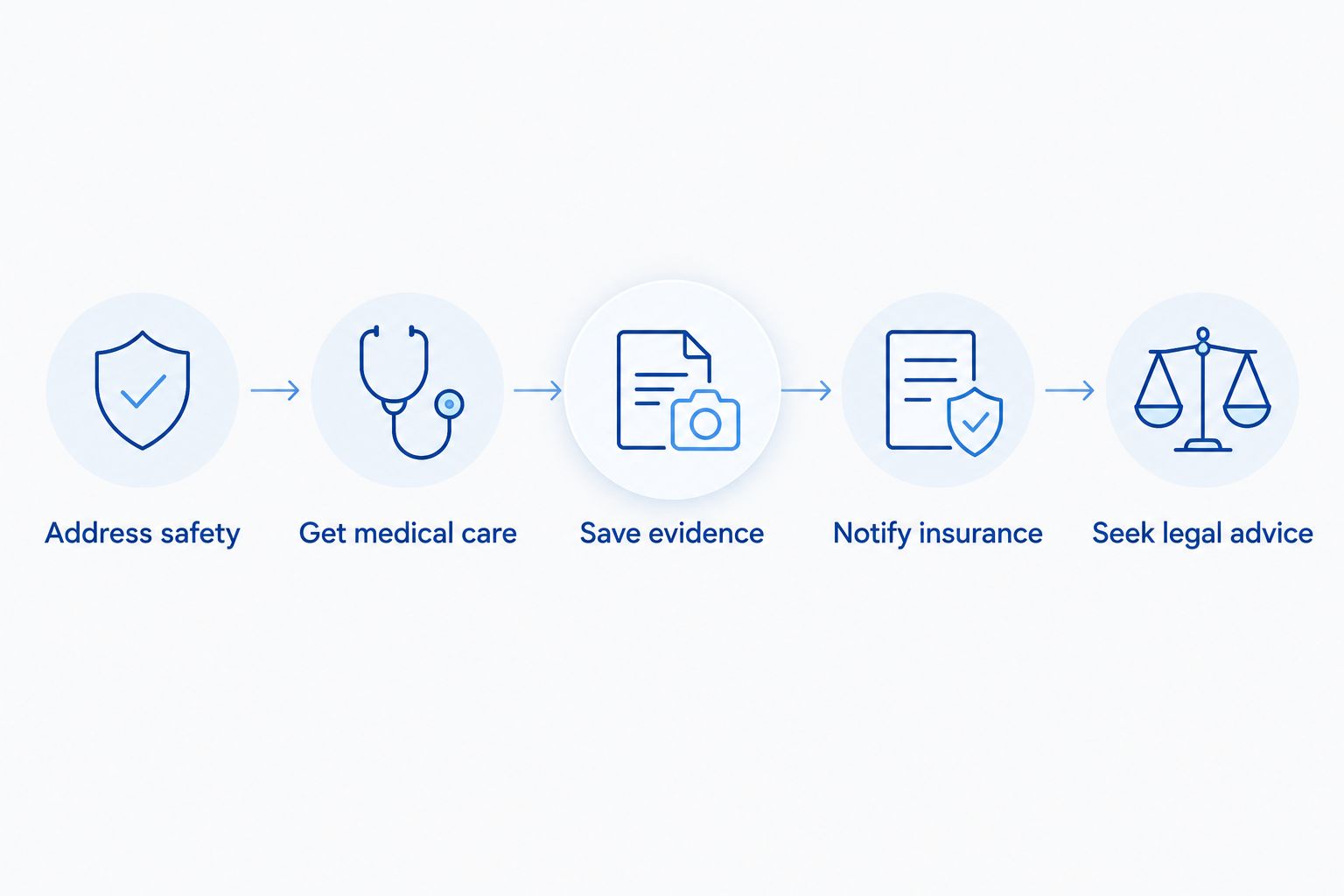
Use this order of priorities:
- Address safety. Get emergency help when needed and move out of immediate danger when safe. Legal calls should never delay emergency treatment.
- Get medical care. Describe your symptoms accurately and follow the treating clinician's instructions. A lawyer does not replace medical evaluation.
- Save evidence. Keep original photographs, dashcam files, witness details, and insurance messages. Avoid editing the only copy of a recording.
- Notify insurance. Review your policy's reporting and cooperation requirements. Do not assume that calling an attorney satisfies those obligations.
- Seek legal advice. Explain any injuries, deadlines, disputed facts, and documents awaiting your signature. Ask what needs immediate attention.
You can make an initial inquiry while treatment continues. Bring the crash date, location, names of involved drivers, and any claim numbers, but do not postpone the conversation because a document is missing. Tell the attorney what you know and what remains uncertain.
Which California deadlines matter after a 2026 crash?
California has different deadlines for different claims. The following general rules apply to common situations; exceptions, delayed discovery, minors, and government involvement require an individual review. Do not use a general deadline table to calculate your final filing date.
| Claim or reporting issue | General timing | What that means for your next move |
|---|---|---|
| Personal injury lawsuit | Generally 2 years from the injury | Ask an attorney to identify the applicable filing date |
| Vehicle or other property damage lawsuit | Generally 3 years from the damage | Track property damage separately from bodily injury |
| Injury or property damage claim against a public entity | Generally 6 months to present the claim | Identify government involvement immediately |
| California DMV accident report when injury or death occurs | Within 10 days | Check the separate SR-1 reporting requirement |
The legal basis for these general rules is California Code of Civil Procedure sections 335.1 and 338(c), Government Code section 911.2, and Vehicle Code section 16000. Their scope differs: lawsuit deadlines, public-entity claim presentation, and DMV reporting are separate obligations.
For a 2026 accident, a claim involving a city vehicle or dangerous public property deserves prompt deadline review. Whether a public entity is legally responsible requires more than identifying where the collision occurred.
Insurance negotiations do not automatically stop a lawsuit deadline. Public-entity claims also involve procedures and later deadlines beyond the initial claim presentation. Ask an attorney to check every applicable deadline rather than relying on an adjuster's ongoing correspondence.
Why the urgency of calling a lawyer varies
Some crashes require faster legal attention because the evidence or decision in front of you is time-sensitive. These factors change the urgency of the call—not whether you should receive appropriate medical care.
- Injuries or changing symptoms. Ongoing treatment makes it important to understand what a settlement release would cover before accepting it.
- Disputed fault. Conflicting accounts make photographs, recordings, witness statements, and vehicle evidence especially important.
- Government involvement. A public vehicle or potentially dangerous public property raises separate claim-presentation questions.
- Commercial or rideshare activity. Work-related driving can involve additional parties, insurance policies, and records that need review.
- Evidence at risk. Surveillance footage, dashcam recordings, and damaged components require prompt preservation efforts.
- A release awaiting signature. Signing away claims can change your legal position before you understand the full consequences.
Tell the attorney which of these applies during the first conversation. If an insurer has given you a response date, read it exactly as written rather than summarizing it as urgent.
Should you consult a lawyer or handle the claim yourself?
Seek an early consultation when injuries, disputed responsibility, or a settlement release complicate the claim. Handling a straightforward vehicle-damage claim yourself is a different decision from resolving an injury claim while symptoms continue.
| Approach | Best for | Benefit | Limitation |
|---|---|---|---|
| Early legal consultation | Drivers uncertain about injuries, fault, or deadlines | Helps identify issues before a major decision | A consultation alone does not mean an attorney represents you |
| Self-managed insurance claim | Straightforward property damage with no injury dispute | Gives you direct control over insurer communications | You remain responsible for evidence, deadlines, and release terms |
| Ongoing legal representation | Drivers seeking help with a contested or complicated injury claim | Provides assistance within the agreed scope | Requires a representation agreement and does not guarantee recovery |
Khachikyan Law Firm provides personal injury representation in Glendale. Ask who will handle communications, what the representation includes, and how the agreement addresses fees and expenses. A lawyer's involvement does not establish fault or guarantee a settlement.
An early consultation also gives you a chance to assess whether the explanation is clear. You should understand what happens next, what information the attorney needs, and whether the firm has agreed to take your case.
Discuss your Glendale accident
Ask about personal injury representation, evidence preservation, and the deadlines affecting your claim.
What should you prepare before the first call?
Prepare a short factual summary rather than a polished argument. Separate what you personally saw from what someone else told you, and avoid filling gaps with guesses.
Gather these items when available:
- The crash date, time, location, and direction each vehicle traveled.
- Driver, vehicle, witness, and insurance information.
- Photographs and original video files, including footage showing the approach to the collision.
- The police report number and responding agency, even if the report is not ready.
- Medical visit dates, treatment instructions, and current symptoms.
- Insurer correspondence, claim numbers, repair records, and proposed releases.
- Records of missed work and other accident-related losses.
For a 2026 consultation, keep a dated timeline of treatment, insurance contacts, and major events. Save original documents separately from your notes so an attorney can distinguish the underlying records from your recollection.
Do not send sensitive records to an unverified recipient. Confirm the intended recipient and ask how the firm wants you to provide medical or insurance documents. Keep your own copies after sharing them.
Should I wait until my medical treatment is finished?
No—seek legal advice while treatment continues rather than waiting for a final medical picture. A consultation can address evidence and deadlines now, while a decision about settlement requires understanding the injuries and losses involved. Tell the attorney about scheduled appointments and unresolved symptoms without predicting a recovery date.
Is it too late to call if weeks or months have passed?
No—elapsed time alone does not establish that your claim is barred. Contact a lawyer with the exact crash date and any notices you received so the applicable deadlines can be reviewed. Waiting longer adds no benefit, particularly when evidence or a public-entity deadline is involved.
Should I talk to the other driver's insurer first?
You can seek legal advice before giving the other driver's insurer a recorded statement or signing a release. Your own insurance policy can impose reporting and cooperation duties, so distinguish between the two insurers. Ask who is contacting you, which insurer they represent, and what they are requesting.
What should you avoid while deciding whether to hire a lawyer?
Avoid irreversible decisions based on an incomplete understanding of your injuries or claim. You can ask questions and preserve records without committing to a settlement or lawsuit.
Do not sign a release simply because an adjuster describes it as routine. Read whether it covers property damage, bodily injury, or both, and ask an attorney to explain unclear language before you sign.
Do not delete messages, recordings, photographs, or social posts related to the collision. Preserve the original material and discuss concerns with an attorney instead of altering the record. Give medical providers accurate information, including relevant prior conditions, rather than trying to make the claim sound stronger.
In 2026, the useful next step is still practical: keep a complete record and get advice before a decision closes off your options. A consultation is not a reason to delay treatment, required reporting, or an approaching deadline.
FAQ
How soon should I contact an auto accident lawyer in Glendale?
Contact an auto accident lawyer in Glendale as soon as immediate safety and medical needs are addressed. Seek prompt advice if injuries, disputed fault, government involvement, or a proposed release are involved.
Do I have to hire a lawyer immediately after a crash?
No, you are not generally required to hire a lawyer immediately after a crash. An early consultation helps you understand deadlines and evidence needs before deciding whether representation is appropriate.
How long do I have to sue for a California car accident injury?
California generally allows 2 years to file a personal injury lawsuit under Code of Civil Procedure section 335.1. Exceptions and separate procedures, including public-entity claims, require individual review.
What if a city vehicle was involved in my accident?
A potential injury claim against a California public entity generally requires claim presentation within 6 months. Contact an attorney promptly to review the responsible parties and applicable procedures.
Should I wait for the police report before calling a lawyer?
No, you do not need to wait for the police report before calling a lawyer. Provide the report number, responding agency, and any available evidence, then supply the report when available.
Can I call a lawyer if I think I was partly at fault?
Yes, possible partial fault does not automatically prevent recovery under California's comparative fault rules. Your share of responsibility can reduce recovery, so preserve evidence and describe the facts accurately.
Does calling a law firm mean it represents me?
No, an initial inquiry does not by itself confirm representation. Ask the firm to confirm whether it has accepted the matter and explain the scope of the attorney-client relationship.
One last thing
The deadline to call a lawyer and the deadline to preserve useful evidence are not the same thing. A claim can remain legally timely after a critical recording has disappeared. If you know a nearby business or vehicle captured the crash, tell the attorney immediately and identify the location or owner without assuming the footage will remain available.
This is general California legal information, not advice about your specific claim. Have an attorney review the crash date, parties, documents, and applicable deadlines.


